Start with your roof, not the brochure
Material choice begins with four facts about your specific property: the roof's pitch and complexity, its sun and wind exposure, its setting (in-town, foothill, rural, shaded river bottom), and your time horizon in the home. The same material that is the smart buy on a foothills home held for thirty years is the wrong buy on a starter home you will sell in five. Providers who start with these questions are doing the job right; the material conversation comes second.
Pitch alone eliminates options. Shingles need a minimum slope to shed water correctly; below it, membrane systems take over. Standing seam handles most residential pitches and shines on the steeper ones. Cedar needs slope and airflow to dry. Complexity matters too — a roof full of dormers and valleys multiplies the flashing work in any material, and metal's fabricated trim makes complex roofs a bigger investment than simple ones.
Architectural shingles: the valley standard
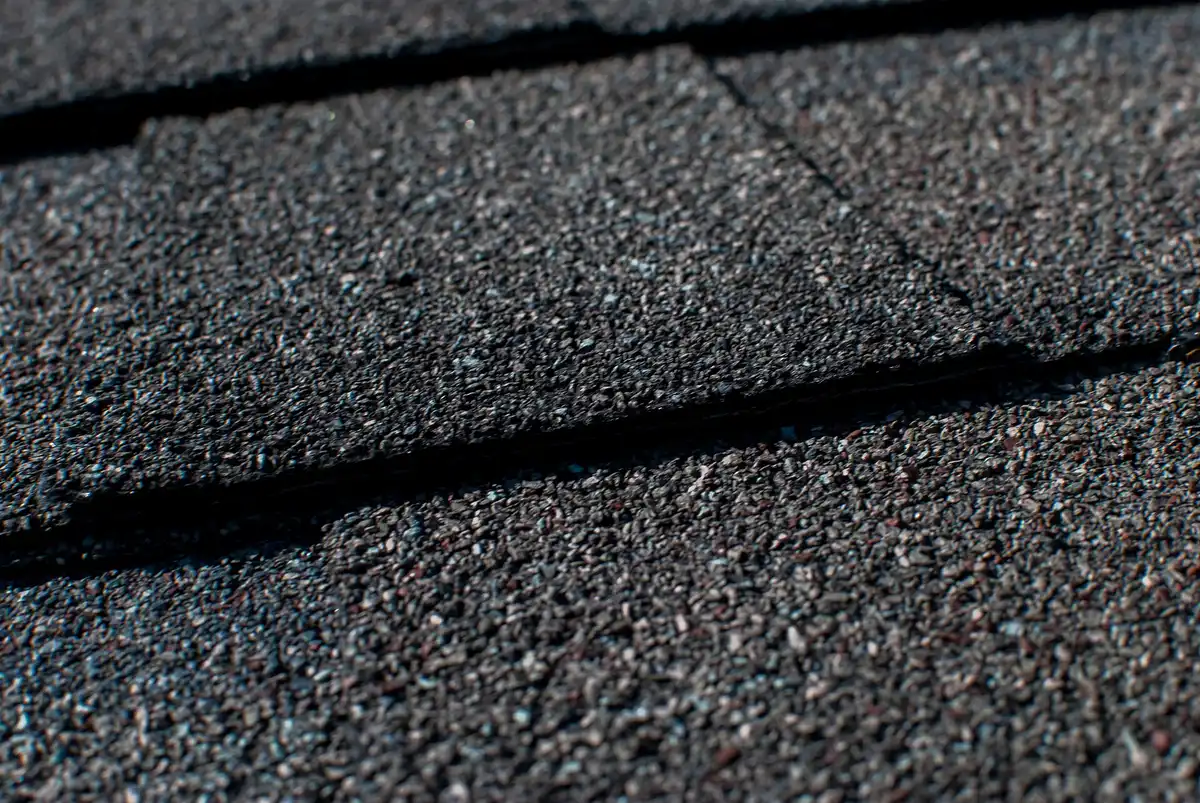
Architectural asphalt shingles are on most Treasure Valley homes for sound reasons: they suit nearly every house style, handle the climate well when ventilated, and deliver twenty-five to thirty years of service. The layered profile hides minor deck unevenness, repairs are straightforward, and every provider in the valley works with them daily. For most in-town Boise, Meridian and Kuna homes, they are the sensible default.
Their local watch-outs are sun and ventilation. Choose a color with the south slope in mind — mid-tones age more gracefully here than the darkest charcoals — and treat the ventilation scope as part of the material choice, because it decides which end of the lifespan range you get. Heavier architectural profiles earn their keep on wind-exposed lots, where wind rating and seal quality matter more than appearance.
Standing seam metal: the long-horizon choice
Metal answers three Treasure Valley conditions better than anything else: it sheds snow instead of holding it, it carries a Class A fire rating that matters in the foothills and rural edges, and it lasts roughly twice as long as shingles. On homes their owners plan to keep for decades — Eagle properties, foothill homes, rural Caldwell acreage — that lifespan arithmetic is the whole argument, and it is a good one.
The honest costs: metal is the largest upfront investment of the three, and it is the least forgiving of poor installation, because panel layout, clips and trim are the system. Snow management must be planned where slides threaten doors and decks. And on a home you will sell within a few years, you will not own it long enough for the lifespan to pay you back — a point a straight provider will make even though it talks you out of the premium option.
Cedar: character, with a maintenance contract
Cedar shake is part of the North End's and older Eagle's architectural character, and nothing else looks quite like it. In the Treasure Valley it serves twenty to thirty years — but that range is maintenance-dependent in a way the other materials are not. Cedar needs to breathe, needs its debris cleared, and in shaded, damp settings — the river bottom, under mature trees — it ages at the fast end of its range and invites moss.
The practical cedar conversation is therefore about the setting and the owner's appetite. On a sunny, open lot with an owner who values the look and will keep valleys clear, cedar remains a legitimate choice. In shade, or for an owner who wants to ignore the roof for twenty years, the honest recommendation is architectural shingle or metal, possibly in a profile that nods to the home's original character.
The factors that should break the tie
Fire exposure is the clearest tiebreaker: in the foothills and at the wildland edge, Class A assemblies — standard with metal and available in rated shingle systems — belong at the top of the list, and your insurer may have a view as well. Snow behavior is next: steep roofs over entries and walks favor metal with snow retention, or at least a deliberate plan for where shingle-roof snow ends up. Then come the house itself — its style, its visibility from the street, and what the neighborhood's roofs look like.
Finally, run the time-horizon test honestly. Under seven years in the home, architectural shingles almost always win on economics. Over twenty, metal's case strengthens every year. Cedar is chosen for love of the material, and there is nothing wrong with that — as long as the maintenance rhythm comes with it. A material decision made on these grounds is one you will not revisit at the next storm.
Making the call
Bring the decision to the inspection. A provider who has stood on your roof can speak to its pitch, its exposure and its deck in specifics, and can price the realistic options against each other in a written scope. Ask what they would install on their own house in your neighborhood — the answer, and how they explain it, tells you most of what you need to know.
Whichever material you choose, the installation scope around it matters as much as the choice: full tear-off, deck repair, modern underlayment with ice protection at the eaves, new flashing throughout and balanced ventilation. A mid-range material installed completely will outserve a premium material installed with shortcuts, in Boise weather, every time.
Choose for your slope, your sun, your setting and your years in the home — in that order — and the material question usually answers itself.
Get Help with Roofing in Boise
Reading only goes so far. If the problem in front of you matches what this guide describes, call and get connected with a local roofing provider who can look at the actual situation in person.