Shingle replacement
Torn, missing and creased shingles are removed and replaced with matching material, woven into the surrounding courses so the repair sheds water like the original surface and does not stand out as a patch.
Roofing help across the Treasure Valley
Not every roof problem needs a new roof. When the damage is local and the rest of the surface is healthy, a proper repair puts the problem away and buys the roof its remaining years.
Call center hours — Mon–Fri: 7 AM–10 PM · Sat: 8 AM–10 PM · Sun: 7 AM–9 PM
The details
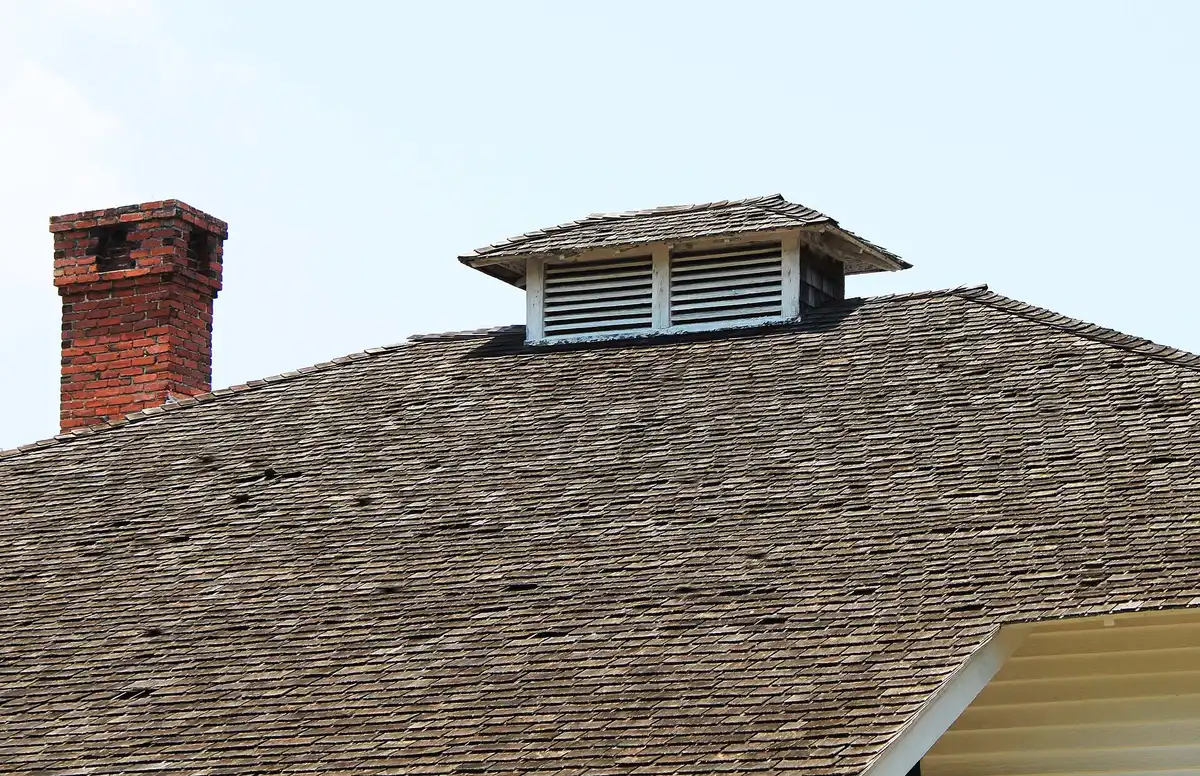
Roof repair is the surgical option: fix the specific failure — a wind-lifted shingle run, a cracked vent boot, a flashing joint that has opened — without touching the healthy remainder of the roof. It is the right answer when the roof's overall surface still has life in it. In Boise, the most common repair calls follow windstorms that crease or tear shingles on the ridge and the windward slopes, and the spring discovery of small leaks that started at flashing over the winter.
A good repair visit starts with diagnosis, not a tube of sealant. The provider looks at the damaged area, the surrounding surface and the attic side where possible, because repairing the visible symptom while the actual cause sits a few feet away just schedules the next leak. Where the surrounding shingles are too brittle to lift and reseal — common on roofs past twenty years — you will hear that honestly, because a repair that tears ten good shingles to fix two is no favor.
What's included
Torn, missing and creased shingles are removed and replaced with matching material, woven into the surrounding courses so the repair sheds water like the original surface and does not stand out as a patch.
Step flashing at walls, apron flashing at dormers and counter-flashing at chimneys are refitted or replaced where joints have opened — the single most common true source of household roof leaks.
The rubber boots around plumbing vents crack and split after a decade or so of Boise sun. Replacing a failed boot is a small job that ends a classic mystery leak above bathrooms.
Valleys concentrate water, and ridge caps take the worst of the wind. Both are rebuilt with correct underlayment and fastening when they start to leak or lift.
Exposed nail heads, lifted tabs and opened joints are resealed with the right roofing sealants — used as one part of a mechanical fix, not as the whole fix.
After a Treasure Valley windstorm, the provider documents what lifted, creased or disappeared and repairs what is needed to make the roof weather-tight again.
How it works
You share what you are seeing — the stain, the shingles in the yard, the drip — and roughly where it shows inside the house.
The provider inspects the suspect area and the roof around it, checking the attic side for moisture trails that reveal the true entry point.
You hear what failed, what the repair involves and whether the surrounding roof is healthy enough for the repair to hold.
Damaged material comes out, sound material goes in, flashing and seals are renewed, and the area is tested against the surrounding surface.
The repaired area is reviewed with you, along with anything else the provider noticed that deserves watching.
Tools & methods
For sliding out damaged shingles without breaking the seal and tabs of the healthy courses around them.
For bending and fitting replacement flashing metal on site so joints match the roof in front of the crew.
Quality sealants and self-adhering membrane for joints and details — always paired with a mechanical fix.
Pin meters and attic inspection to confirm whether a leak is new, old, or still active before anything is sealed up.
Typical outcomes
Starting point: A run of shingles missing after a windstorm, underlayment exposed to the weather.
Finished result: Replacement shingles woven into the slope, sealed and lying flat with the surrounding courses.
Starting point: A cracked vent boot letting water track down the pipe into the ceiling below.
Finished result: A new boot fitted and sealed, with the leak path closed at its source.
Starting point: Chimney flashing pulled open at the corner, tar from old quick fixes cracked and lifting.
Finished result: Refitted step and counter-flashing with the joint closed by metal, not by smear.
Problems solved
Treasure Valley gusts get under shingle edges, creasing tabs that then crack and leak the next season. Early repair stops one storm from becoming a pattern.
Boots, seals and flashing metals age faster than the shingle field. Detail failures are the most repairable problems a roof has.
A leak fixed in its first season is a repair. The same leak left for two winters becomes deck rot and a much bigger conversation.
Local factors
Boise wind is the repair department's best customer. Storms rolling down the foothills and across the Bench lift shingle edges on south and west slopes, and the damage is often invisible from the ground — the shingles lie back down, creased, and fail quietly the following winter. After a serious wind event, an inspection that checks for creased and unsealed tabs is worth more than a glance from the driveway.
Sun is the other local factor. South-facing slopes in the Treasure Valley age years faster than north slopes on the same house, which is why a repair assessment here is slope-by-slope: the north side may have a decade left while the south is nearly done, and the plan should reflect that instead of treating the roof as one uniform age.
Good questions
Yes. Shingles work as a system of overlaps; a missing tab exposes the fasteners and the butt joint of the course below, and wind-driven rain gets straight in. The leak may not show inside until the deck and insulation have been wet repeatedly, which is why missing shingles are worth fixing promptly.
Usually because the symptom was sealed instead of the cause fixed — sealant over a flashing joint that needed refitting, or a stain chased to the wrong spot on the roof. A proper repair visit traces the water path first, which is why the attic check matters as much as the roof check.
Providers carry the common Boise profiles and colors and aim for the closest match available. On an older roof, sun fading means even the identical shingle will read slightly differently at first; it weathers in over a season. The repair will always match in function immediately.
Sometimes — a single detail failure on a roof whose surface is still flexible and intact can be worth fixing. But if the shingles are brittle and granular across the slopes, repairs tear the neighbors and buy little time. The provider will tell you which side of that line your roof sits on.
Weather-tight triage — covering open damage — is the first priority after a storm. Permanent repairs follow once the roof is dry enough to work and materials are matched. Calling early puts you in the queue before the post-storm rush builds.
Keep exploring
Full tear-off and replacement when the roof surface itself is at the end of its life — new decking repairs, underlayment, shingles and ventilation.
Learn more →RA full on-roof and attic-side condition check — surface, flashing, ventilation and deck — with a plain-language summary of what is sound, what is failing and what can wait.
Learn more →MStanding seam and metal panel systems — long service life, clean snow shedding and a Class A fire rating that matters in the Boise Foothills.
Learn more →SArchitectural shingle installation and replacement — the Treasure Valley's most common roof, done with correct fastening, ventilation and flashing.
Learn more →RLeak tracing and repair — finding the real entry point, which is rarely above the stain, and fixing it at the source instead of sealing the symptom.
Learn more →GSeamless gutter installation and replacement, sized and sloped for Treasure Valley rain and snowmelt, with downspouts that move water away from the foundation.
Learn more →Ready when you are
One call connects you with an independent local provider. Describe the roof, hear your options, and schedule the inspection.
Call NowGet in touch
Call to be connected with a local roofing provider serving Boise and nearby areas. Share the details of the job on the call — what is happening, where you are, and when you would like the work done — and the next step will be set up from there.
Prefer to write first? Email the details and a reply will follow during call center hours.
Speak with the call center and get connected with a local provider.
Call NowMon–Fri: 7 AM–10 PM · Sat: 8 AM–10 PM · Sun: 7 AM–9 PM
Boise, ID and surrounding communities — see the areas page for the full list.