Shingle selection
Weight, profile and color are chosen for the house and its sun exposure. Lighter colors reflect Boise summer heat; heavier architectural profiles stand up better to foothill and Bench wind.
Home / Services / Shingle Roofing
Roofing help across the Treasure Valley
Architectural shingles are the default roof of the Treasure Valley for good reason. The difference between a shingle roof that serves thirty years and one that fails at fifteen is almost entirely in the installation details.
Call center hours — Mon–Fri: 7 AM–10 PM · Sat: 8 AM–10 PM · Sun: 7 AM–9 PM
The details
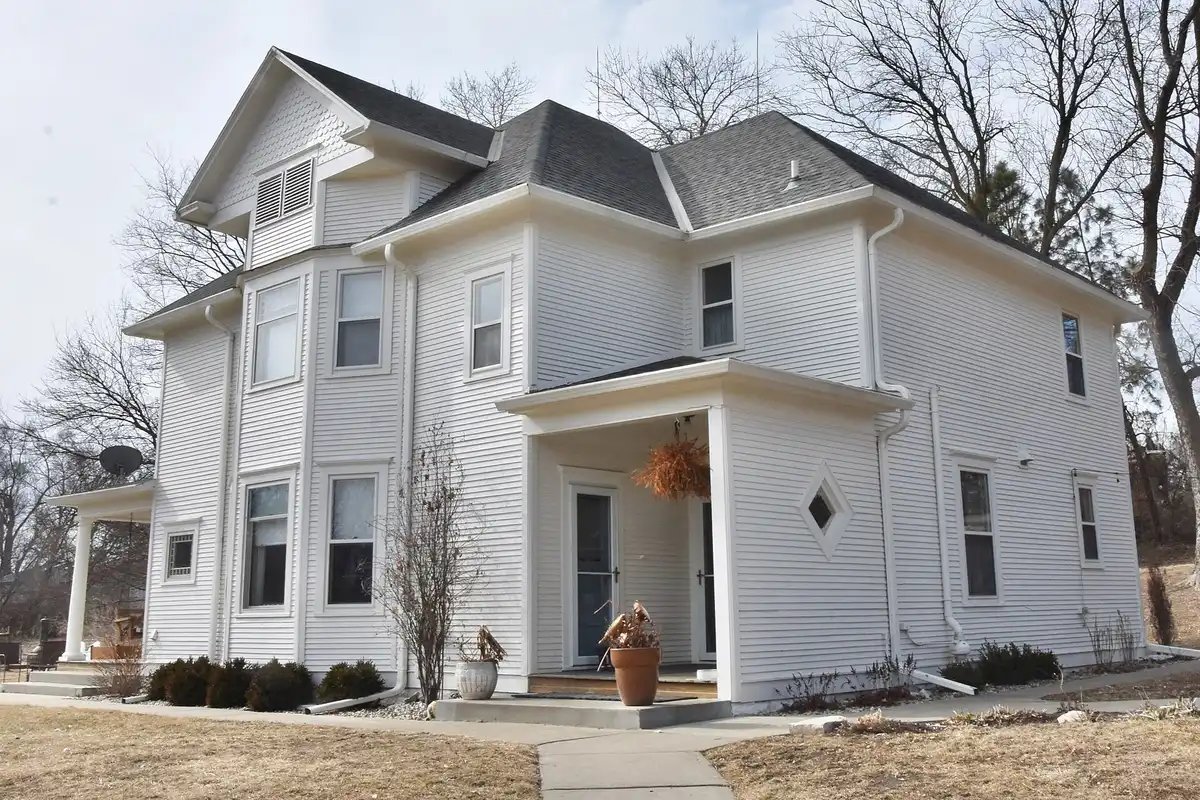
Asphalt shingles cover most homes in Boise, and architectural (dimensional) shingles have replaced the old flat three-tab on nearly every re-roof. They are thicker, heavier and more wind-resistant, with a layered look that suits most house styles in the valley. What homeowners rarely hear is how much of a shingle roof's life is decided by things that are not the shingle: the fastening pattern, the underlayment, the flashing and above all the attic ventilation underneath it.
A shingle is a water-shedding surface, not a waterproof one. It works because courses overlap, seals bond in the sun, and details at every edge and penetration are built to move water down and off. Installation shortcuts — overdriven nails, skipped ice shield, reused flashing, a ridge vent with no intake — each take years off the roof, quietly. The service described here is shingle work done to the manufacturer's full specification, which is also what keeps the material warranty valid.
What's included
Weight, profile and color are chosen for the house and its sun exposure. Lighter colors reflect Boise summer heat; heavier architectural profiles stand up better to foothill and Bench wind.
Each shingle gets the manufacturer's specified nails in the specified zone, driven flush. Overdriven nails cut the mat; underdriven nails back out and lift the course above — both are top causes of early shingle failure.
Starter strips at eaves and rakes, drip edge metal and correct overhangs set the edges where wind and water attack first.
Valleys are built with membrane and either woven shingles or metal, depending on the roof's geometry and water load — never just lapped and hoped for.
Shingles are woven with step flashing at walls and around chimneys in the correct sequence, so water running down the surface is always on top of the layer below it.
Ridge cap shingles finish the peak, and the ridge vent is matched with soffit intake so the attic — and the underside of the shingles — stays within sane temperatures.
How it works
The provider measures, checks the existing roof's layers and condition, and looks at attic ventilation before recommending the shingle scope.
You select the architectural profile and color, with the underlayment, flashing and ventilation scope set out in writing.
Old shingles come off, decking is repaired where needed, and the underlayment system is installed.
Courses go on from eave to ridge with correct exposure, fastening and detail integration, slope by slope.
Ridge cap and vent finish the roof; the site is cleaned and magnet-swept; the finished roof is reviewed with you.
Tools & methods
Set so fasteners land flush in the nailing zone — the single most consequential tool setting on a shingle job.
Courses are laid to consistent exposure, which is both an appearance issue and a waterproofing one.
Clean cuts at valleys, ridges and details without tearing the mat of adjoining shingles.
For details and areas the sun will not reach to activate the factory sealant strip — shaded north details in particular.
Typical outcomes
Starting point: A flat three-tab roof, tabs curling and the surface worn nearly smooth.
Finished result: A dimensional architectural surface with depth, sealed courses and a vented ridge.
Starting point: Shingles nailed high and overdriven, tabs lifting in every wind.
Finished result: Correct fastening in the nailing zone, courses lying flat and bonded.
Starting point: A ridge finished with cut three-tabs and no ventilation.
Finished result: Proper ridge cap over a working ridge vent, matched with soffit intake.
Problems solved
Roofs failing at twelve to fifteen years almost always trace to installation details — fastening, flashing or ventilation — not to the shingle itself.
Poorly sealed or under-nailed shingles lift in Treasure Valley wind and then crease, crack and leak. Correct fastening prevents the cycle.
An unvented attic bakes shingles from below through Boise summers, halving their life. Shingle work that includes ventilation fixes the cause.
Local factors
Boise's sun is the headline local factor for shingles. Ultraviolet exposure at this elevation, plus surface temperatures that can exceed 150 degrees on a still July afternoon, ages asphalt faster than in the cloudy climates where many lifespan charts are written. That is why the honest local conversation about shingles includes color choice, ventilation and realistic lifespan — twenty-five to thirty years for architectural shingles here — rather than the rounder numbers on the bundle wrapper.
Wind is the second factor, and it is neighborhood-specific. Homes on the Bench and in the foothills take gusts that valley-floor homes do not, and shingle selection there should weight wind rating and sealant quality accordingly. The provider's inspection includes a look at which slopes have historically taken the weather on your lot — the pattern of wear on the old roof is the best guide to speccing the new one.
Good questions
Yes. Three-tab is the older, thinner, flatter product and has largely disappeared from Boise re-roofs. Architectural shingles are thicker, heavier, carry better wind ratings and last noticeably longer in Treasure Valley sun. The price difference is modest against the lifespan difference.
The manufacturer's specification — typically four per shingle, six in high-wind applications and on steep slopes. Placement matters as much as count: nails belong in the reinforced nailing zone, driven flush. It is an invisible detail that decides how the roof handles its first serious windstorm.
Because it decides lifespan. A hot attic cooks shingles from beneath and drives the melt-freeze cycle at the eaves in winter. Manufacturers require ventilation for their warranties for exactly this reason. Balanced intake and ridge exhaust are part of a proper shingle installation, not an upsell.
A layover skips deck inspection, adds weight and heat, and shortens the new roof's life. Boise re-roof permits and good practice both point the same way: tear off, inspect the deck, and build the new system on solid wood.
Beyond matching the house, consider heat. Darker colors absorb more summer sun, which slightly accelerates ageing on south slopes; mid-tone and lighter blends are popular in the valley partly for that reason. The provider can show how the main profiles read on local homes similar to yours.
Keep exploring
Full tear-off and replacement when the roof surface itself is at the end of its life — new decking repairs, underlayment, shingles and ventilation.
Learn more →RTargeted repairs for damage in one area — lifted or missing shingles, flashing failures, vent boots and small leaks — when the rest of the roof is sound.
Learn more →RA full on-roof and attic-side condition check — surface, flashing, ventilation and deck — with a plain-language summary of what is sound, what is failing and what can wait.
Learn more →MStanding seam and metal panel systems — long service life, clean snow shedding and a Class A fire rating that matters in the Boise Foothills.
Learn more →RLeak tracing and repair — finding the real entry point, which is rarely above the stain, and fixing it at the source instead of sealing the symptom.
Learn more →GSeamless gutter installation and replacement, sized and sloped for Treasure Valley rain and snowmelt, with downspouts that move water away from the foundation.
Learn more →Ready when you are
One call connects you with an independent local provider. Describe the roof, hear your options, and schedule the inspection.
Call NowGet in touch
Call to be connected with a local roofing provider serving Boise and nearby areas. Share the details of the job on the call — what is happening, where you are, and when you would like the work done — and the next step will be set up from there.
Prefer to write first? Email the details and a reply will follow during call center hours.
Speak with the call center and get connected with a local provider.
Call NowMon–Fri: 7 AM–10 PM · Sat: 8 AM–10 PM · Sun: 7 AM–9 PM
Boise, ID and surrounding communities — see the areas page for the full list.