Tear-off and disposal
All existing roofing layers are stripped to the deck and hauled away. Boise homes with two layers — an old roof under the current one — take longer here, because everything has to come off before the new system can go on.
Home / Services / Roof Replacement
Roofing help across the Treasure Valley
When repairs stop adding up and the roof surface itself is worn out, replacement is the honest answer. Here is what a full re-roof in Boise involves, from tear-off to the final walkthrough.
Call center hours — Mon–Fri: 7 AM–10 PM · Sat: 8 AM–10 PM · Sun: 7 AM–9 PM
The details
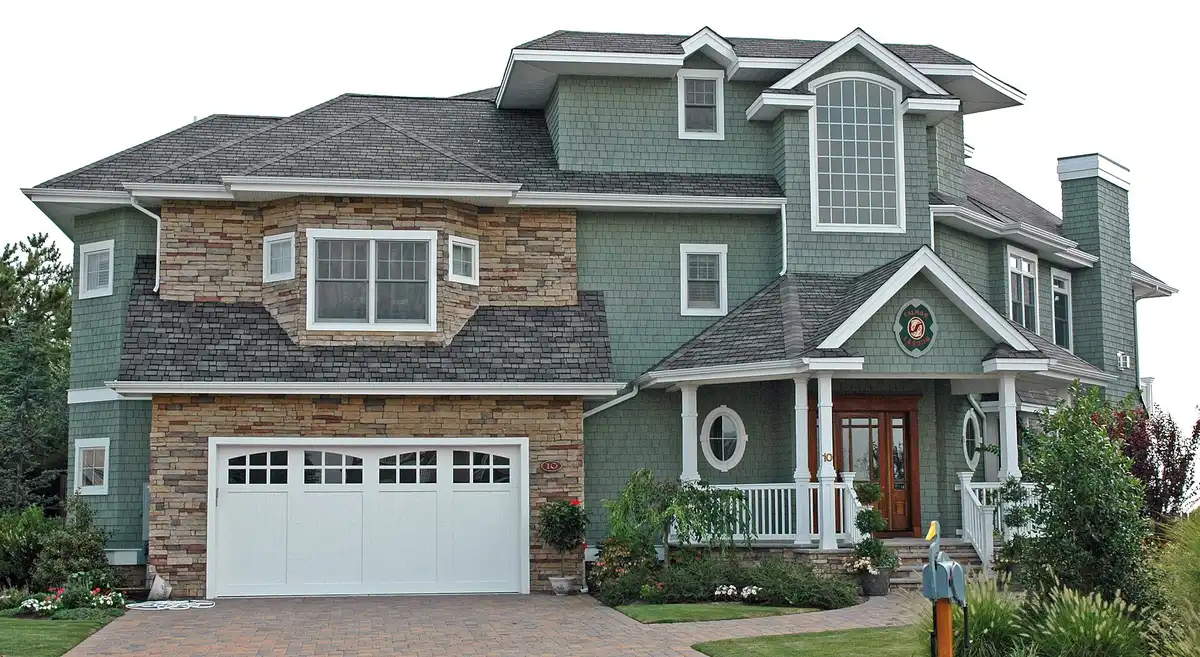
A roof replacement means removing the existing roofing down to the deck and building the system back up: deck repairs where needed, underlayment, ice and water protection at the eaves and valleys, new flashing, the new roof surface itself, and ridge ventilation. It is the right call when the surface material has aged out — when shingles across the whole roof are curling, losing granules and cracking, rather than failing in one repairable spot.
In Boise, most original roofs on homes built in the 1990s and early 2000s are now in replacement territory, and three-tab shingles from that era are almost all finished. The decision is rarely about one bad spot; it is about whether the whole surface still sheds water the way it should. A provider's inspection looks at the overall condition — brittleness, granule loss in the gutters, exposed fiberglass mat, soft deck spots — and gives you a straight answer about whether you are buying years with a repair or just delaying the inevitable.
What's included
All existing roofing layers are stripped to the deck and hauled away. Boise homes with two layers — an old roof under the current one — take longer here, because everything has to come off before the new system can go on.
With the roof open, every sheet of decking is checked. Soft, rotted or delaminated sections are cut out and replaced so the new roof fastens to solid wood, not to damage hiding underneath.
Synthetic or felt underlayment goes over the whole deck, with self-adhering ice and water shield at the eaves, in the valleys and around penetrations — the places Boise snowmelt and wind-driven rain attack first.
Step flashing at walls, counter-flashing at chimneys, boots at vent pipes and metal in the valleys are replaced, not reused. Most leaks live at flashing, so a replacement that skips it is only half a job.
Architectural shingles, standing seam metal or cedar — the surface you chose, installed to the manufacturer's specification for fastening, exposure and ventilation so the material warranty applies.
Ridge vent and intake are balanced so the attic breathes. In Boise's hot summers, proper ventilation protects shingles from cooking from below and helps keep ice from building at the eaves in winter.
How it works
The provider measures the roof, checks pitch and layers, inspects the attic side, and confirms the deck's likely condition before quoting the scope.
You choose the material and color and receive a written scope covering tear-off, deck repair allowances, underlayment, flashing, ventilation and cleanup.
The City of Boise re-roofing permit is pulled, materials are delivered, and the start date is set around the weather forecast.
The old roof comes off, the deck is repaired as needed, and the underlayment system is dried in the same day wherever possible.
Flashing, the new surface and ridge ventilation go on, section by section, with the site kept tidy as work proceeds.
The yard is swept and magnet-rolled for nails, gutters are checked, and the finished roof is walked with you before the job is closed out.
Tools & methods
Roofing shovels, pitchforks and on-site trailers keep old material moving off the roof and out of your yard the same day it comes off.
Rolled across lawns, driveways and beds at the end of each day and again at the end of the job, because thousands of nails come off an old roof.
Fasteners set to the correct depth — driven flush, not overdriven through the shingle or left proud to back out later.
Used during inspection to find deck damage and attic moisture that are invisible from the roof surface.
Typical outcomes
Starting point: Shingles curling at every edge, granules washing into the gutters after each rain.
Finished result: A flat, sealed architectural shingle surface with clean lines and a vented ridge.
Starting point: Two ageing layers stacked on the roof, hiding soft decking underneath.
Finished result: One new system on solid decking, with the weak wood cut out and replaced.
Starting point: Patched flashing and tar smeared at the chimney from years of small fixes.
Finished result: New step and counter-flashing fitted to the chimney and walls, sealed and integrated with the shingles.
Problems solved
When the whole surface is brittle and shedding granules, spot repairs tear the surrounding shingles and never hold for long.
Years of slow leaks rot decking from above. Replacement is the moment it gets found and fixed instead of roofed over.
A second layer over a failed first one adds weight and hides problems. A proper replacement returns the roof to a single sound system.
Local factors
Boise's climate shapes replacement choices. Summer temperatures on a south-facing roof surface can pass 150 degrees, which is why ventilation and lighter reflective shingle colors get discussed for Bench and foothills homes. Winter reverses the problem: snow sitting on a north slope melts from attic heat and refreezes at the cold eave, so the ice and water shield coverage a provider installs here matters more than it would in a milder city.
Material trends in the Treasure Valley have shifted toward architectural shingles as the default and standing seam metal on foothills and rural properties, where fire rating and snow shedding carry extra weight. Cedar still appears on older North End homes; when those roofs are replaced, homeowners weigh keeping the cedar look against the maintenance reality, and the provider can walk through both paths during the inspection.
Good questions
Count the signs, not just the leaks. If the roof is over twenty years old and you are seeing curling across whole slopes, granules in the gutters, cracked shingles in several areas and more than one leak point, the surface is done and repairs are money into a failing system. One leak on a twelve-year-old roof is a repair. The inspection makes the call with the roof in front of you.
A layover hides the deck, adds weight, traps heat and usually voids the new material's best warranty terms — and Boise permit practice requires the roof to come down to the deck in most re-roof situations anyway. Providers reached through this site tear off as standard, because that is the only way to inspect and repair the deck.
Architectural shingles in the Treasure Valley typically serve twenty-five to thirty years when ventilated properly. Standing seam metal serves considerably longer. Cedar varies with maintenance. Lifespan depends more on ventilation, installation quality and sun exposure than on the brand name on the bundle.
Providers watch the forecast and do not open more roof than they can dry in the same day. If weather turns mid-job, the underlayment system and tarps protect the open sections. A job will pause for safety in high wind or lightning and resume when conditions allow.
No, but expect noise. Tear-off and nailing are loud, and vibrations can rattle pictures and shelf items — it is worth securing anything fragile on walls. Pets that are noise-sensitive are usually happier elsewhere for the day.
Keep exploring
Targeted repairs for damage in one area — lifted or missing shingles, flashing failures, vent boots and small leaks — when the rest of the roof is sound.
Learn more →RA full on-roof and attic-side condition check — surface, flashing, ventilation and deck — with a plain-language summary of what is sound, what is failing and what can wait.
Learn more →MStanding seam and metal panel systems — long service life, clean snow shedding and a Class A fire rating that matters in the Boise Foothills.
Learn more →SArchitectural shingle installation and replacement — the Treasure Valley's most common roof, done with correct fastening, ventilation and flashing.
Learn more →RLeak tracing and repair — finding the real entry point, which is rarely above the stain, and fixing it at the source instead of sealing the symptom.
Learn more →GSeamless gutter installation and replacement, sized and sloped for Treasure Valley rain and snowmelt, with downspouts that move water away from the foundation.
Learn more →Ready when you are
One call connects you with an independent local provider. Describe the roof, hear your options, and schedule the inspection.
Call NowGet in touch
Call to be connected with a local roofing provider serving Boise and nearby areas. Share the details of the job on the call — what is happening, where you are, and when you would like the work done — and the next step will be set up from there.
Prefer to write first? Email the details and a reply will follow during call center hours.
Speak with the call center and get connected with a local provider.
Call NowMon–Fri: 7 AM–10 PM · Sat: 8 AM–10 PM · Sun: 7 AM–9 PM
Boise, ID and surrounding communities — see the areas page for the full list.