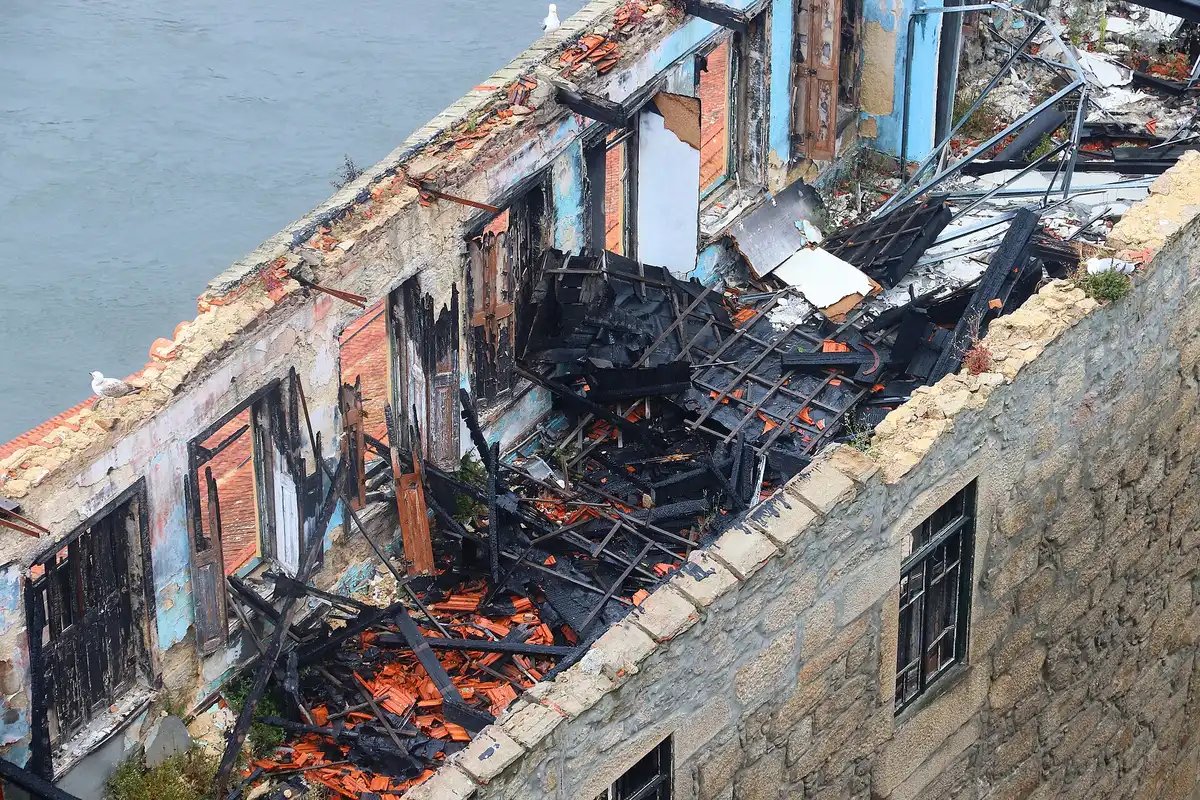
Start with the pattern, not the problem
Every old roof has a problem somewhere; that is not what decides replacement. The decision turns on whether problems are isolated or systemic. A split vent boot on a sound twelve-year-old roof is an afternoon repair. Curling shingles on three slopes, granules in every gutter and a second leak in two years is a surface at the end of its life, and repairing it is buying small delays at full price.
This guide walks the signs inspectors in the Treasure Valley actually weigh, in roughly the order they weigh them. No single sign — not even age — settles the question alone. It is the combination, and especially whether the signs appear across the whole roof or in one unlucky spot, that separates the repair conversation from the replacement conversation.
Curling, cupping and cracking across the slopes
Shingles curl when the asphalt loses its flexibility and the mat shrinks with age and heat. A few curled tabs at one hot corner can be local. Curling or cupping that appears across whole slopes — visible from the street as a wavy, lifted texture — means the material itself has aged out everywhere at once. Cracking tells the same story: an old shingle that snaps rather than bends when lifted cannot be repaired, because the repair itself breaks the neighbors.
The brittleness test is the quiet decider in many inspections. If the provider cannot lift a shingle to work beneath it without the tab cracking, the roof has lost the quality every repair depends on. At that point the honest advice changes: further repairs will create as much damage as they fix, and the money belongs in a replacement plan.
Granule loss you can measure in the gutters
Granules are the shingle's sunscreen and armor. New roofs shed loose granules for a season; that is normal. The replacement sign is sustained loss on an older roof — handfuls of granules in the gutters and at downspout bases after ordinary rain, and bald patches on the slopes where the dark fiberglass mat shows through. Once the mat is exposed, UV attacks the asphalt directly and ageing accelerates sharply.
Check the pattern by slope. Granule loss concentrated on the south face with the north still well-coated may mean the roof has uneven life left — sometimes a reason a partial plan makes sense, more often a sign the whole surface is on the same trajectory a few years apart. Uniform heavy loss everywhere is one of the clearest replace signals there is.
Leaks that keep coming back
A first leak, traced and fixed at its source, is normal roof life. The pattern that signals replacement is different: a second and third leak in different places within a couple of years, on a roof that is also showing its age. That pattern means the details and surface are failing as a system — boots, flashing and shingles reaching the end together, as they were installed together.
Deck condition is the other half of this sign. A leak left through a winter or two rots the decking beneath it. One soft spot can be cut out during a repair. Soft decking found in several places during an inspection changes the economics entirely, because every future repair stands on damaged wood until the roof is opened and rebuilt.
Age, in the Treasure Valley's terms
Age alone does not condemn a roof, but it frames every other sign. In Boise, a three-tab roof past fifteen years or an architectural roof past twenty deserves inspection with replacement genuinely on the table. Past twenty-five for architectural shingles, the burden of proof flips: the question becomes whether the roof can justify not being replaced, and the answer is yes only when the surface is still flexible, sealed and shedding granules at a normal rate.
Subdivision context sharpens the estimate. In Meridian, Kuna and the Boise Bench, homes were built in waves with the same materials. If your street's roofs are being replaced around you, your roof — same builder, same year, same sun — is on the same clock, whatever the calendar on the original paperwork says.
What to do when the signs add up
Get an inspection that documents the signs rather than a quote that assumes them. You want the brittleness, granule and deck findings stated plainly, because they are what make the decision defensible — to yourself, to a buyer if you are selling, or to a spouse who would rather repair. A good inspection also separates the timeline: what is urgent, what can be planned across a season, and what a repair could still honestly buy.
Then plan the replacement as a project, not an emergency. Homeowners who replace on their own schedule choose materials deliberately, schedule around weather, and fold in the ventilation and detail upgrades that make the next roof outlast this one. The signs in this guide appear years before a roof fails outright — that warning time is the value, if it is used.
A roof rarely announces its end with one failure. It announces it with a pattern — and the pattern is visible years before the ceiling is.
Get Help with Roofing in Boise
Reading only goes so far. If the problem in front of you matches what this guide describes, call and get connected with a local roofing provider who can look at the actual situation in person.